
 Shop online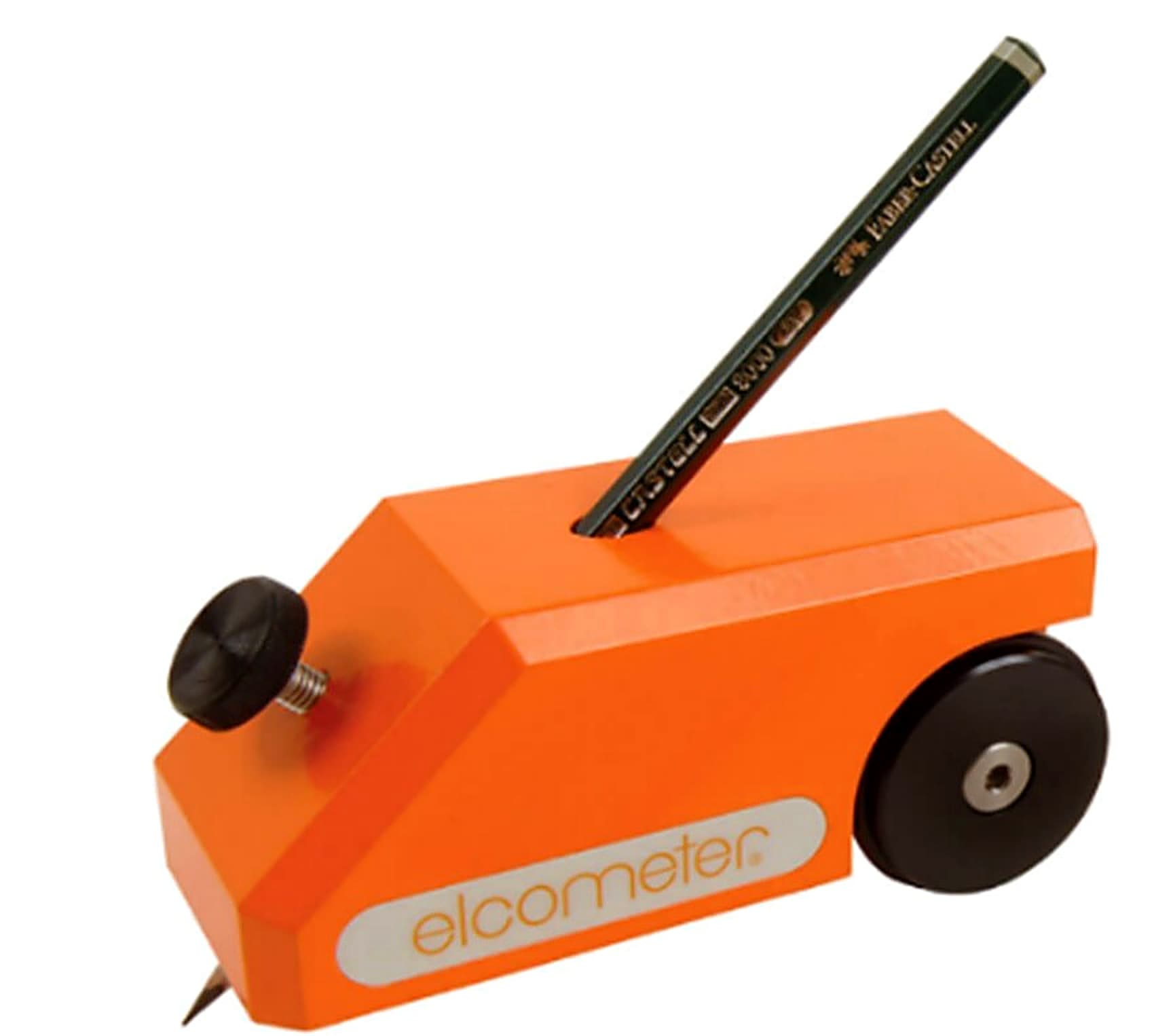
Hardness - Coating Testers are instruments used to measure a coating's resistance to permanent deformation, which is defined as its hardness. In the coatings industry this measurement serves two purposes: it indicates how well a coating resists scratching from general wear and tear, and it can show whether a coating is fully cured. An under-cured or soft coating fails early in service, so hardness testing informs both the choice of coating and the decision on whether a film is ready for use.
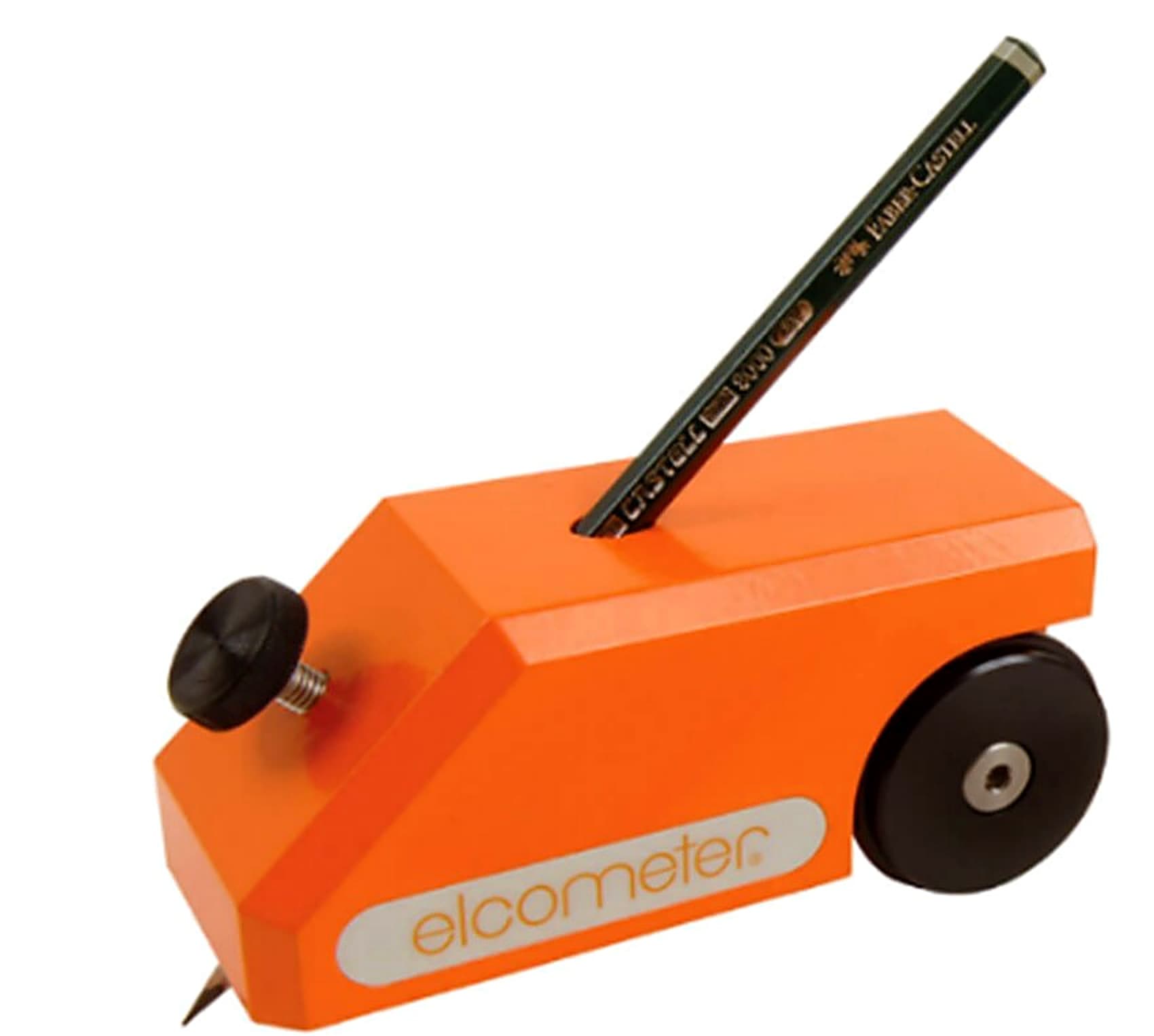
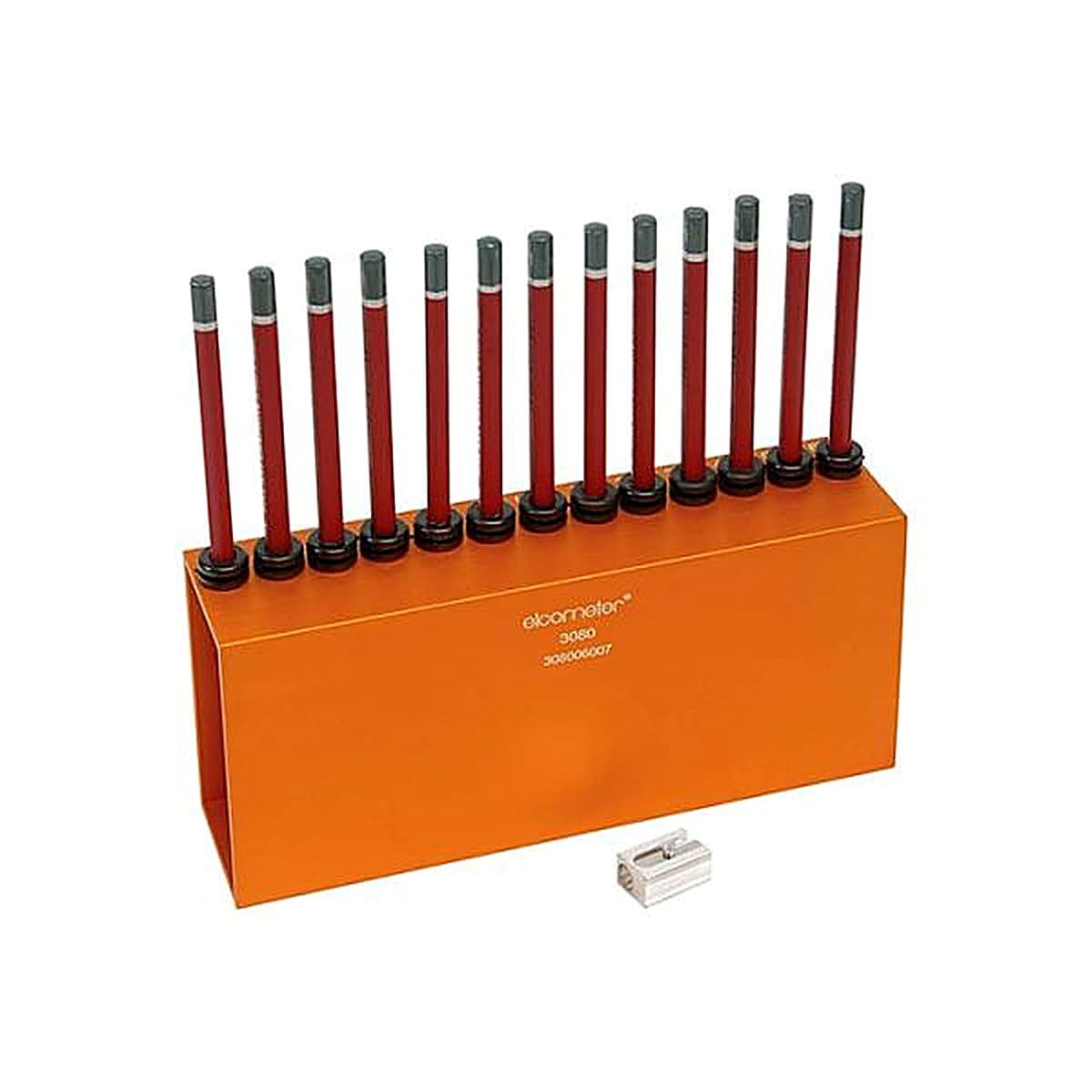
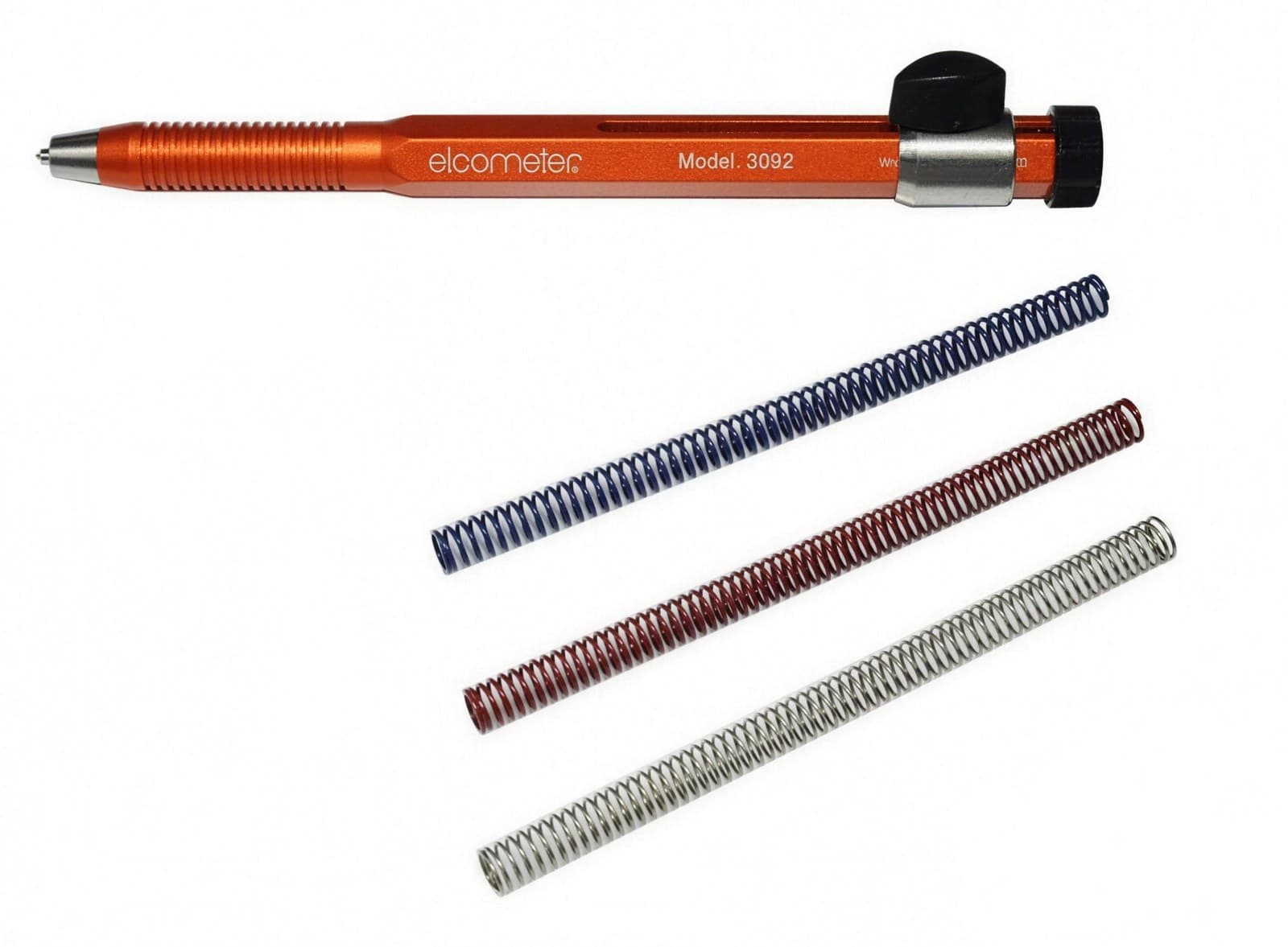
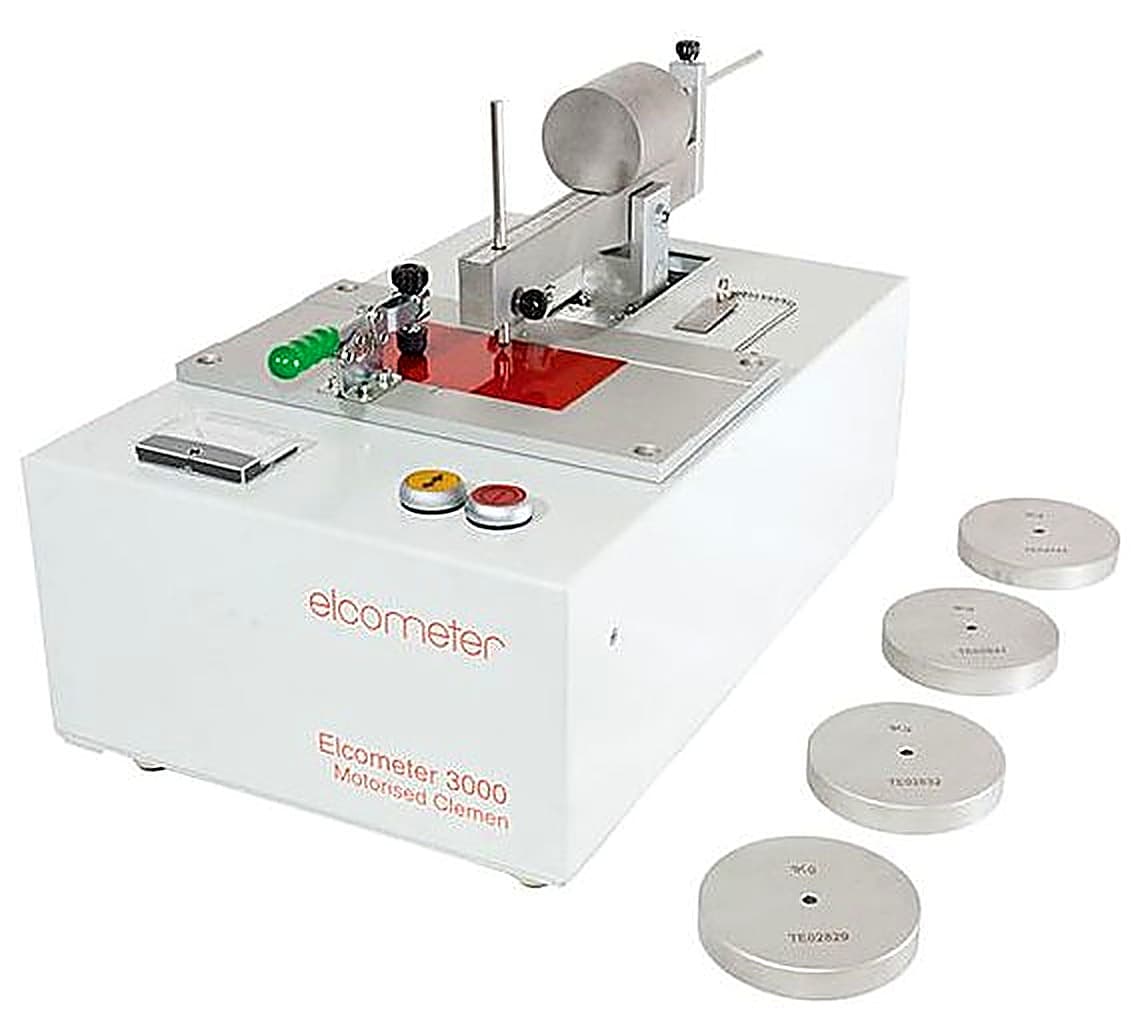
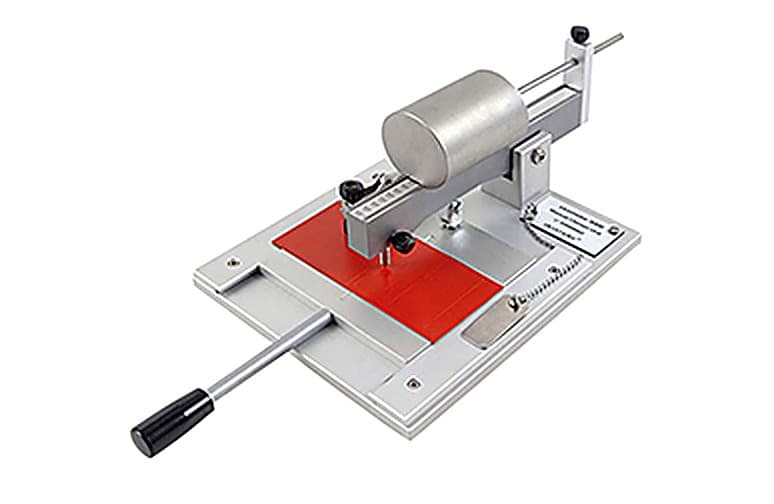
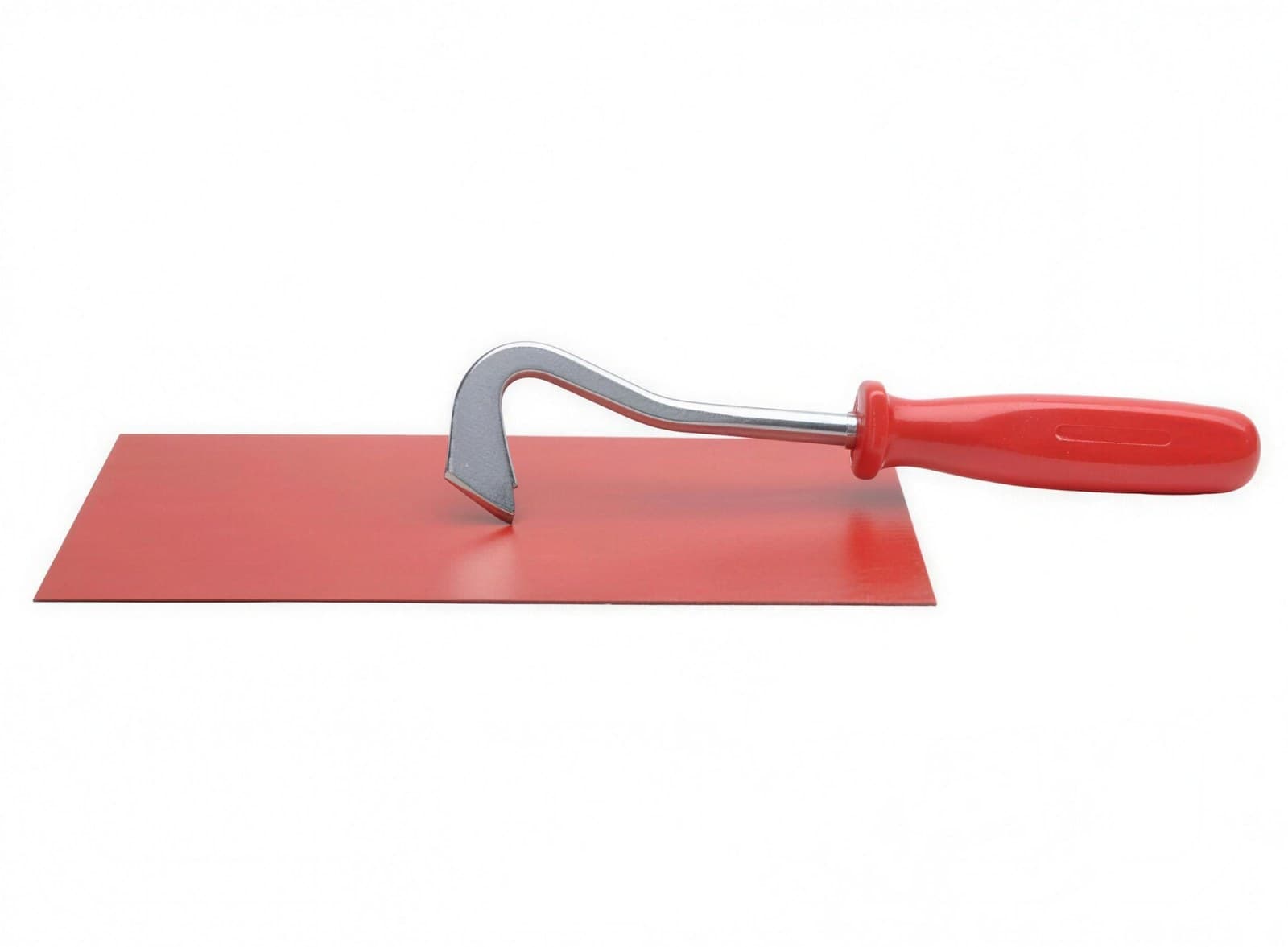
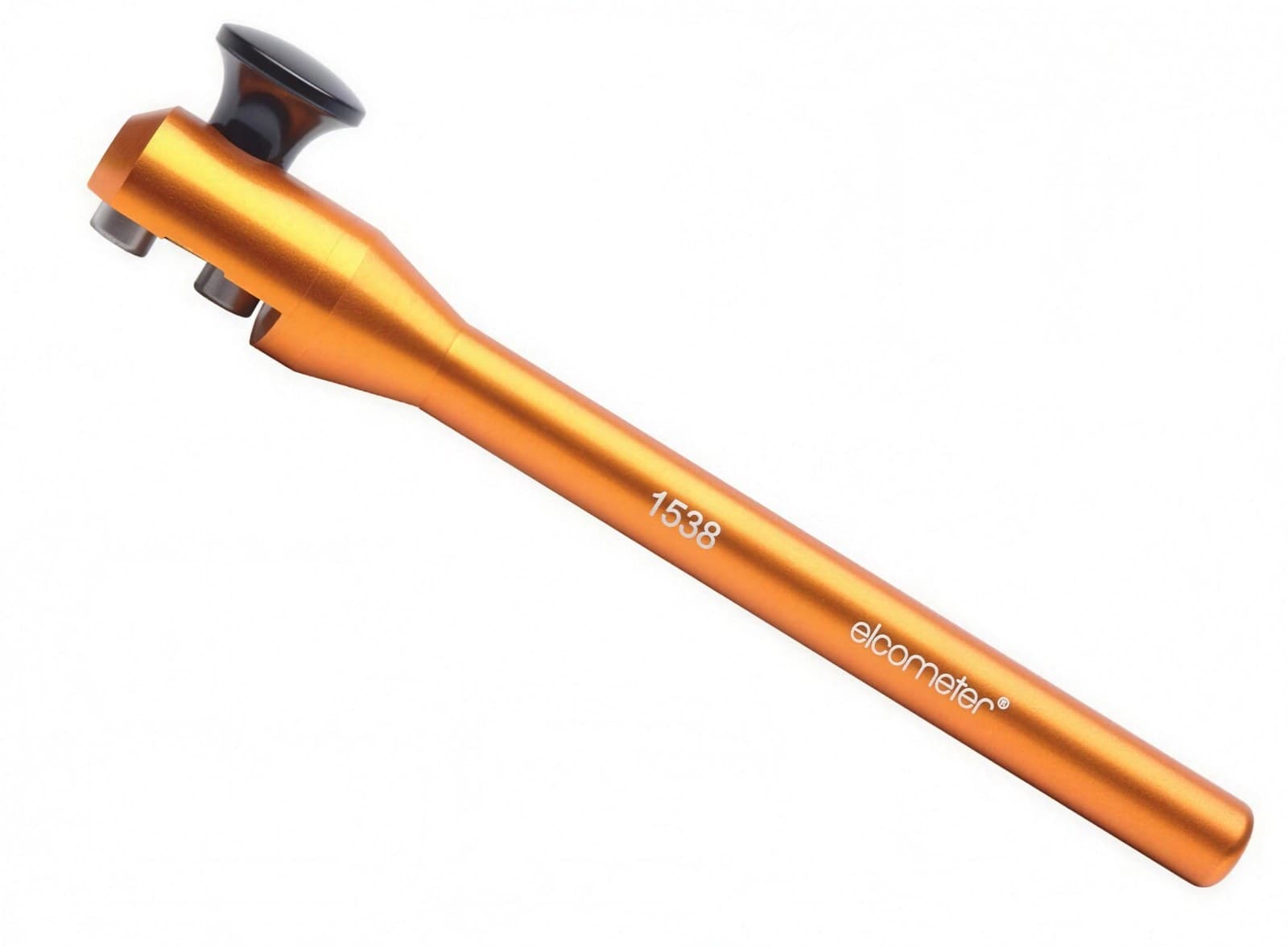
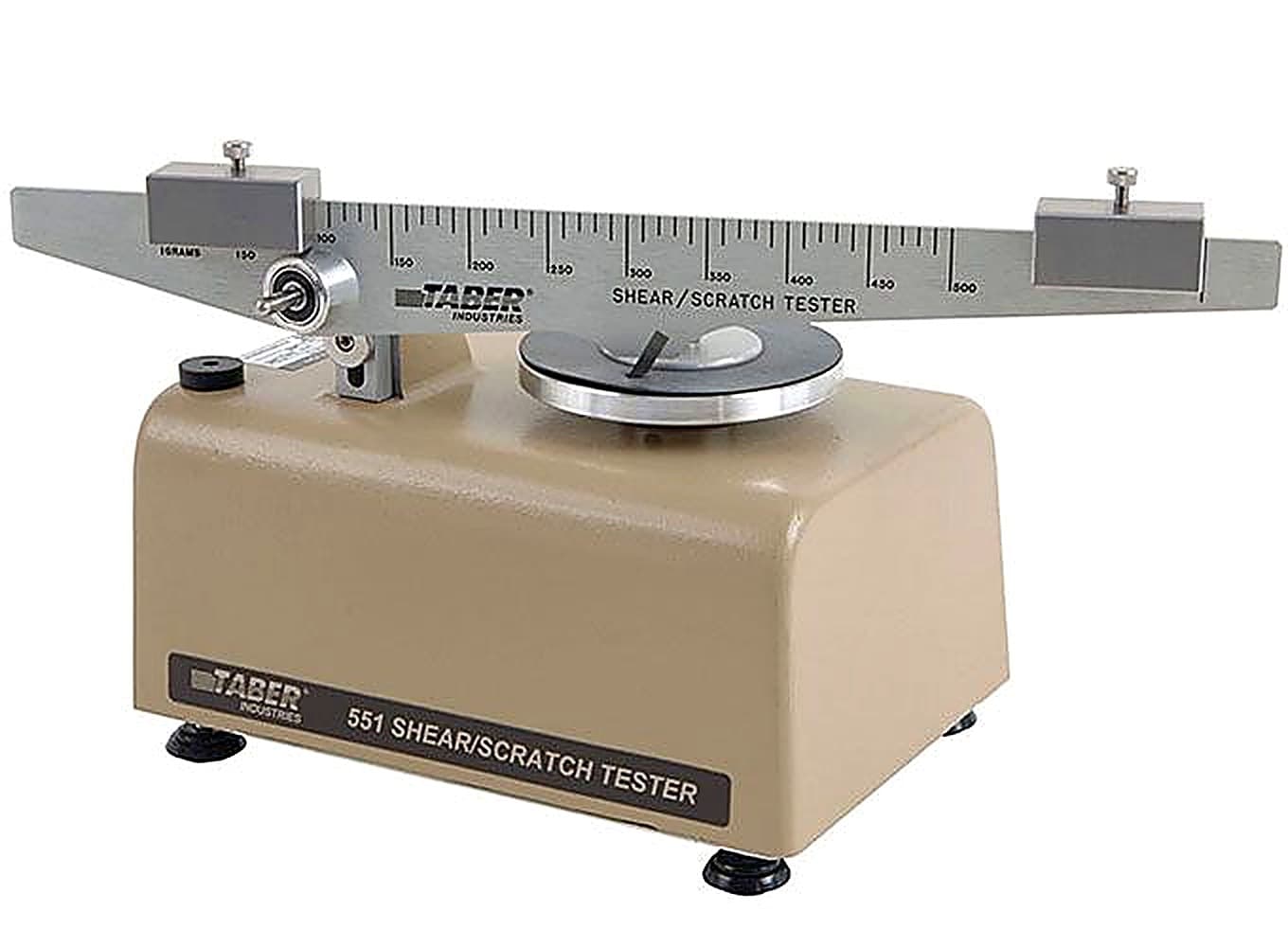
The right method depends on the property being assessed. Some instruments are dedicated to characterising coatings, while others are more suitable for bulk materials such as metals, plastics, rubber and elastomers. For scratch resistance, the range for the Hardness - Coating Testers includes the Pencil Hardness Tester (Wolff-Wilborn), the Sclerometer, the Clemen Apparatus and the Scratching and Shearing Instrument, each of which assesses how a coating stands up to a scratching action.
For resistance to indentation, three common methods measure the depth of penetration of a weighted tool to show how the coating resists penetration: the Buchholz Hardness Tester, the Barcol Impressor Hardness Test and the Shore Durometer. Selecting between scratch and indentation methods, and between coating-specific and bulk-material instruments, lets inspectors and coatings specialists match the test to the material and the requirement. This range of Hardness - Coating Testers is supplied by BAMR, South Africa's authorised distributor.
Hardness - Coating Testers
Hardness can be defined as a material's resistance to permanent deformation. In the coatings industry, hardness measurement can be used to determine the resistance of the coating to scratching from general wear and tear and also if a coating is fully cured. Depending on the requirements, there are various methods for testing hardness: some are dedicated to characterising coatings and others are more suitable for testing bulk materials such as metals, plastics, rubber or elastomers.
- Scratch Resistance To assess a coating's resistance to scratch there are a number of different instruments that can be used: Pencil Hardness Tester (Wolff-Wilborn), Sclerometer, Clemen Apparatus, Scratching and Shearing Instrument.
- Resistance to Indentation There are many instruments available to assess the resistance to penetration. For coatings in particular, there are three common methods where the depth of penetration of a weighted tool is used to show the coating's resistance to penetration: Buchholz Hardness Tester, Barcol Impressor Hardness Test, Shore Durometer.
Frequently asked questions
Why test coating hardness?
Hardness testing indicates how well a coating resists scratching from general wear and tear, and verifies whether the coating has fully cured.
Are there different hardness testing methods?
Yes. Some methods are designed specifically for coatings, whilst others are better suited to bulk materials such as metals, plastics, rubber or elastomers.
How do I know which hardness test to use?
Your choice depends on what material you are testing. Coatings require dedicated test methods, whilst bulk materials need different approaches.
What does hardness measure?
Hardness measures a material's resistance to permanent deformation. In coatings, it shows how well the surface will withstand scratching and daily wear.
Can hardness testing verify coating cure?
Yes. Hardness testing is used to determine whether a coating is fully cured, which is essential before the coated component enters service.
Related products

Quote on the Hardness - Coating Testers by close of business.
Tell us about your application and we will send a quote with lead time and accessories.
Not sure this is the right model for your job? for a quick recommendation.
Request a quote
Request a quote
Tell us about your application and we will send a quote with lead time and accessories.